

What rising correlations could mean for portfolios
A mix of stocks and bonds typically helps diversify a portfolio, since stock prices often rise when bond prices fall and vice versa. But lately, that diversification benefit has weakened. While that may seem like bad news, it may actually suggest strong underlying support for both asset classes moving forward.
The correlation* between stocks and bonds recently hit +59%, the highest positive level since 1997 (see the chart). That means that instead of one asset class “zigging” when the other “zags,” as is generally expected, they’ve often moved together in the same direction around their longer-term trend.
Rolling Six-Month Correlation:
S&P 500 vs. U.S. Investment Grade Bonds
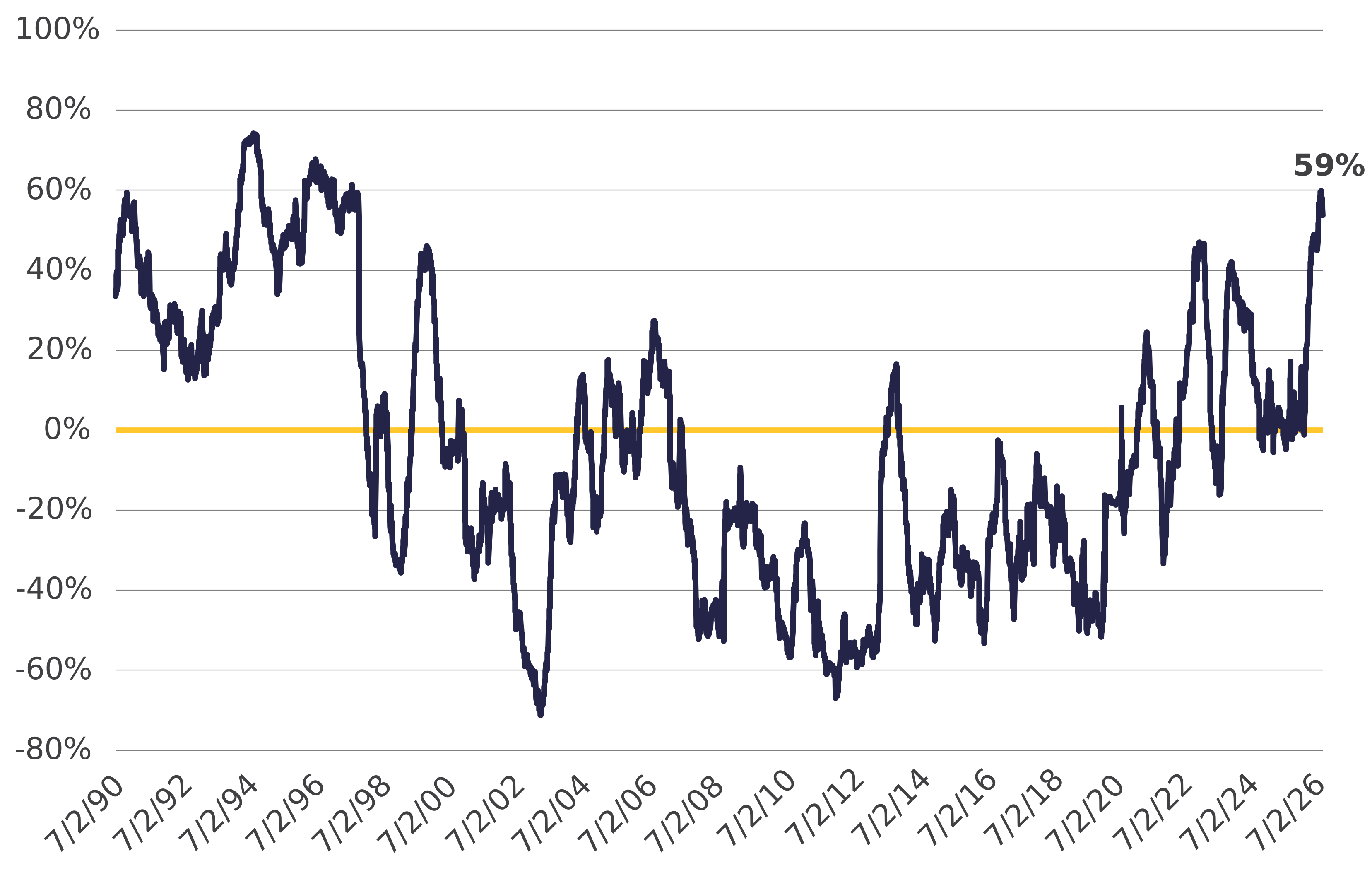
Bloomberg, calculations by Horizon, data as of 09/25/2026
Before concluding that diversification is dead, note that this correlation number simply represents daily moves that have already occurred. Stocks and bonds can frequently move in the same direction from day to day while still generating very different returns over a longer period.
Also, the conditions driving this positive correlation may be good for stocks and bonds going forward. After years of abnormally low interest rates, bonds are once again providing meaningful income, and many investors are being compensated for taking duration risk. Meanwhile, the Fed has less need to keep rates artificially low to support the economy. All that adds up to a healthier environment for risk-taking.
In many ways, today’s environment is reminiscent of the last time correlations reached extreme levels—the 1990s (see the chart). Back then, the economy and earnings growth remained extremely strong despite a sharp rise in interest rates, and stocks and bonds delivered far-above-average returns. Today, the growth and earnings picture looks similar to that period some 30 years ago, with rising yields being driven by record-setting profit growth and better-than-expected consumer spending that point to strong economic growth ahead.
Just as important: Today’s environment looks far different from 2022, when soaring inflation pushed the Fed to raise rates aggressively. While rising oil prices and the ongoing conflict with Iran are creating short-term inflation concerns, longer-term inflation expectations (as measured by the 10-year breakeven rate) have risen by just 10 basis points this year and remain well-anchored.
There is, of course, a limit on how high rates can go before growth is restricted, and that limit can’t be predicted with precision. But remember that rates today have been rising from abnormally low levels back toward more historically normal levels (the 10-year Treasury yield averaged 6.65% in the ‘90s, for example) instead of increasing from already high levels. In a more normal bond market, bonds deliver healthy yields if growth stays strong. If growth weakens, those yields have room to fall, which, in turn, pushes bond prices up. Ultimately, a healthy bond market gives investors more confidence to allocate capital to risk assets such as stocks.
The upshot: The economy is absorbing today’s higher rates in ways that look normal, healthy, and constructive for stocks and bonds.