

Understand cryptocurrency’s unique traits before investing
The roller coaster ride that is cryptocurrency investing continues.
Since hitting an all-time high in October, Bitcoin has fallen 24%*—erasing its year-to-date gains. It’s the latest decline for the notoriously volatile asset, which has seen an average annual drawdown (peak-to-trough decline) of 41% so far this decade (see the chart).
That said, Bitcoin is also up more than 1200% since the start of 2020—benefiting those investors with the conviction to hold on during its remarkable ups and downs.
Bitcoin Drawdown by Year
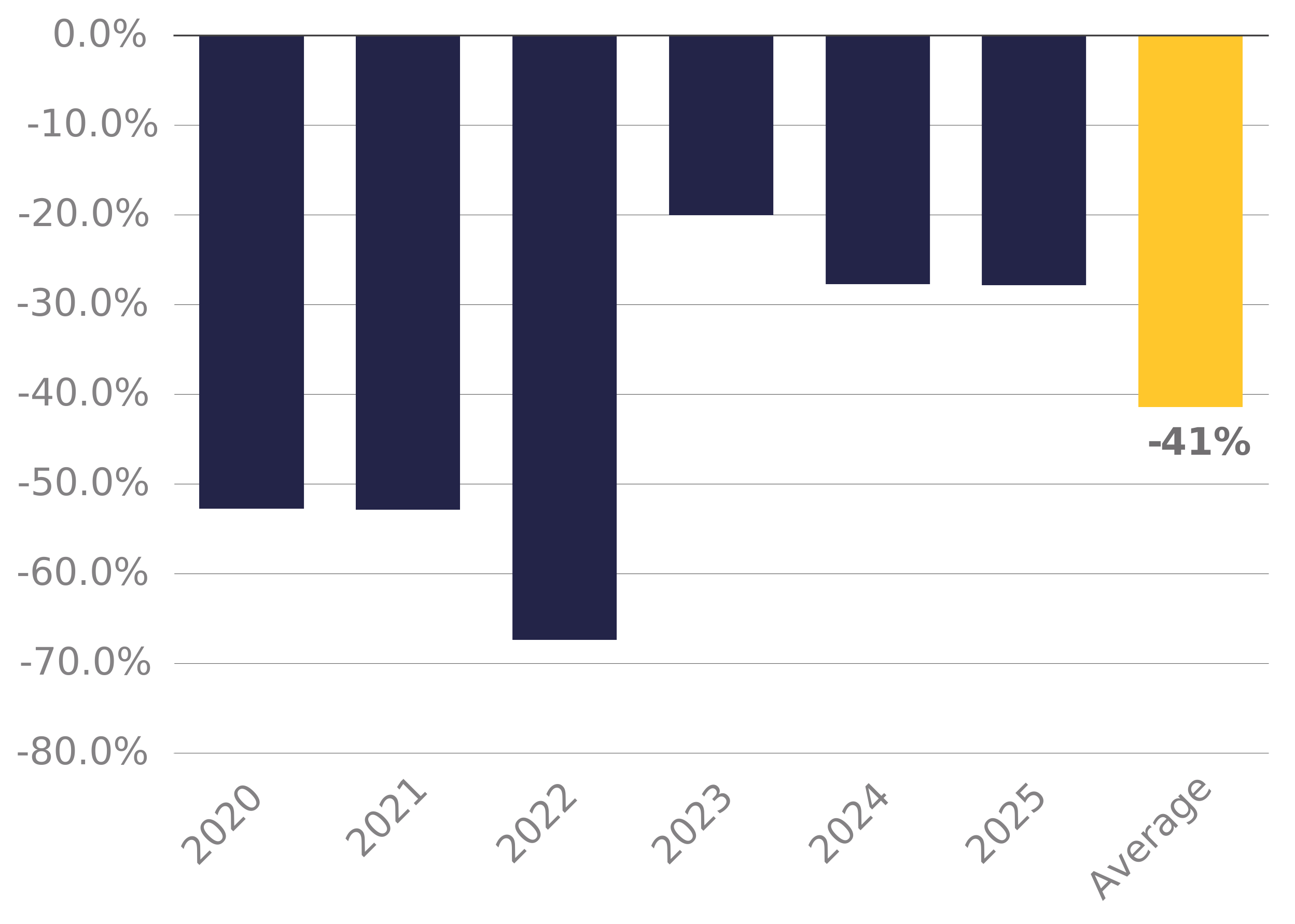
Bloomberg, calculations by Horizon, data as of 11/14/2025. Past performance is not indicative of future results. This is not a recommendation to buy or sell any security.
That said, the cryptocurrency’s volatility likely means many investors bought and sold at inopportune moments. With that in mind, consider some of the key facts about the forces influencing the behavior of Bitcoin and its peers:
- Crypto is its own asset class: Much like gold, Bitcoin and other cryptocurrencies don’t generate earnings or cash flows (as stocks do), so their price movements are driven by factors such as investor sentiment, speculation, and interest from large financial institutions. This year’s run-up, for example, was largely fueled by sentiment driven by the crypto-friendly Trump administration policies.
- Crypto is risky by historical measures: Using traditional risk measures such as volatility, crypto risk is extreme. Example: Since 2020, Bitcoin volatility has averaged nearly 3x that of the S&P 500 and nearly 4x that of gold. As seen in the chart, big drawdowns are the norm rather than the exception. Note, too, that this year’s peak-to-trough decline of -28% is actually smaller than the drawdowns during several recent years.
- Crypto’s correlation to stocks is inconsistent: In the past, Bitcoin has been uncorrelated with stocks during some periods of equity market weakness. However, it currently shows a significantly positive correlation with stocks—often selling off aggressively when stock prices fall—and therefore provides less portfolio diversification than it did previously.
Ultimately, we see crypto as an asset class that is an important component of the emerging frontier of digital investment opportunities—albeit one that requires careful monitoring of its evolving correlation and risk characteristics to allocate capital appropriately.