

Affordability is moving in the right direction
It’s no secret that the U.S. has suffered from a housing affordability crisis for several years. Soaring home prices, rising mortgage rates, and an ongoing housing supply shortage have combined to make homeownership seem like an unattainable dream for many Americans.
The good news: The tide may be turning. The average monthly mortgage payment as a percentage of average income has fallen by 11 percentage points from its October 2023 peak of 57.1% to 45.9% today (see the chart). That’s still elevated, especially compared to levels seen during the low-rate environment of the 2010s, and these estimated averages can vary significantly based on geographic region and other factors. But the general trend shows a gradual shift back toward greater affordability as mortgage payments consume less of people’s earnings.
Housing Affordability
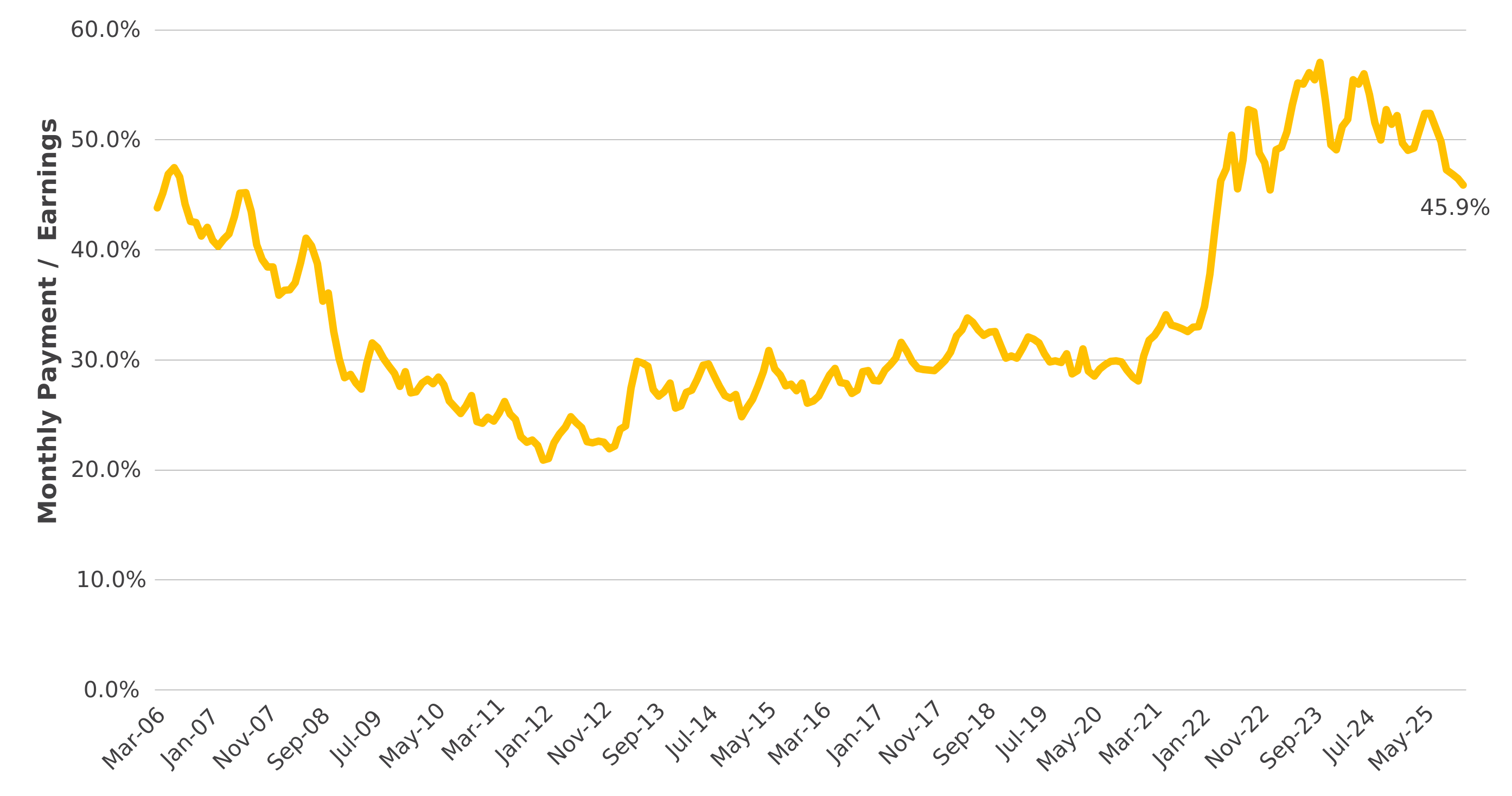
Bloomberg, calculations by Horizon, data as of 12/31/2025.
That trend could gather additional steam given last week’s news that Fannie Mae and Freddie Mac will start buying $200 billion in mortgage-backed securities in an effort to reduce mortgage rates as midterm elections approach. That development helped drive mortgage rates down to their lowest level since 2022. And (as we’ve noted before) if the Fed’s interest rate policy direction becomes clearer, mortgage rates could potentially fall further even if the Fed doesn’t cut rates soon.
That said, housing affordability is influenced by a broad range of factors and dynamics that aren’t always easy to predict. Yes, lower mortgage rates may boost affordability, but given the current tight supply of homes for sale, it’s possible that lower rates could push housing prices higher and continue to keep many would-be buyers out of the market.
The upshot: Despite such uncertainty, improving housing market conditions could serve as a strong boost to economic activity—one that many investors may currently underappreciate.